Unique Device Identifier (UDI)
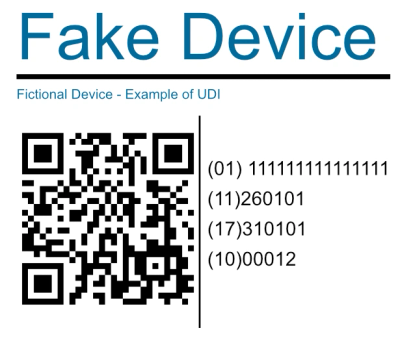
What Is a UDI?
A Unique Device Identifier (UDI) is a unique numeric or alphanumeric code used to identify a medical device throughout distribution and use. UDIs support device traceability, inventory control, recalls, adverse-event investigations, and other activities across the product lifecycle.
UDI requirements vary by market. In the United States, device identification information is submitted to the FDA’s Global Unique Device Identification Database (GUDID). In the European Union, UDI and device registration information is managed through the UDI/Devices module in EUDAMED.
What Are the Parts of a UDI?
A UDI generally includes two components:
- Device Identifier (DI): The fixed portion of the UDI that identifies the labeler and the specific version or model of a device.
- Production Identifier (PI): The variable portion of the UDI that may include the lot or batch number, serial number, expiration date, manufacturing date, or other production-control information shown on the device label.
Together, the DI and PI identify both the device model and, when applicable, the specific production details for an individual device or batch.
How Is a UDI Displayed?
A UDI must generally be available in both:
- Human-readable form: The numeric or alphanumeric code that can be read directly from the label.
- Automatic Identification and Data Capture (AIDC) form: A scannable format, such as a barcode or other machine-readable code.
For certain reusable devices intended to be reprocessed before each use, the UDI may also need to be permanently marked directly on the device.
What Products Need a UDI?
UDI requirements generally apply to the medical-device label and to each higher level of device packaging that is commercially distributed. Each unique packaging configuration may require its own DI.
For example, if an endoscope is sold individually, in a package of two, and in a package of five, each commercially distributed package configuration would typically require its own DI:
- One DI for the individual endoscope package
- One DI for the package of two endoscopes
- One DI for the package of five endoscopes
There are exceptions and special rules, so the right UDI approach depends on the device, packaging configuration, intended use, and markets where the product is sold.
What Is GUDID?
The Global Unique Device Identification Database (GUDID) is the FDA database that stores key device identification information associated with a device’s DI.
GUDID contains DI-based device information and related product attributes submitted by the device labeler. It does not include the variable Production Identifier information, such as lot numbers or serial numbers.
Do Devices Need UDI Registration in the EU?
Yes. In the European Union, UDI and device registration are managed through EUDAMED.
For applicable devices, manufacturers must complete registration through the UDI/Devices module before placing products on the EU market. Legacy devices subject to the applicable EU transition provisions have a registration deadline of November 28, 2026.
Need Help Managing Your UDI Process?
UDI compliance involves more than assigning a code. We can manage the end-to-end process; from developing a compliant DI strategy and generating device identifiers, to preparing and submitting GUDID or EUDAMED registration data.
We also review and remediate existing UDI portfolios, helping identify duplicate, inconsistent, outdated, or incorrectly assigned codes across products and packaging configurations.
Whether you are launching a new device, expanding into a new market, or improving an established UDI program, we can help create a practical, compliant, and maintainable solution.